
- About Us
- Equipment
- Solution
- Cases
- News
- Service
- Contact us

Insight into the current events of the day and collect industry hotspots
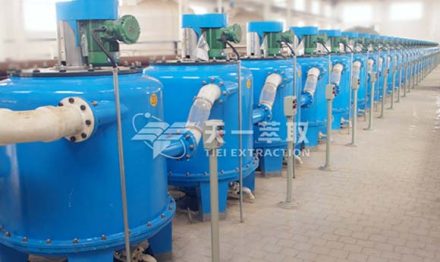
In the organic acid industry, lactic acid, as one of the three major organic acids in the world, is widely used in brewing, pharmaceuticals, food, leather processing, and many other fields. At present, the fermentation process for lactic acid production…
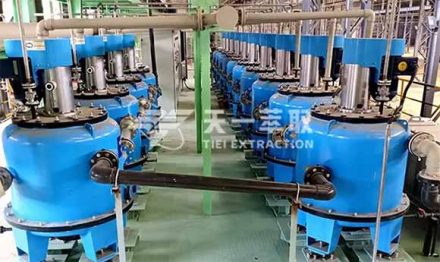
With the rapid growth of global electric vehicle ownership, the disposal and recycling of spent lithium-ion batteries have become a key issue in the fields of resource recycling and environmental protection. In the hydrometallurgical process, the solvent extraction stage directly…
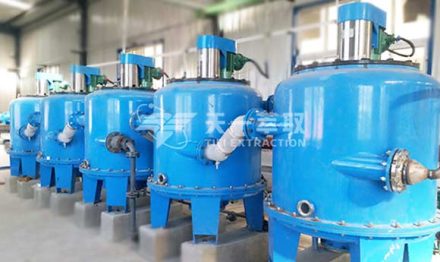
With the rapid replacement and upgrading of electronic products worldwide, waste printed circuit boards (PCBs) have become one of the fastest-growing components of electronic waste. These discarded boards contain not only non-metallic materials such as resins and fiberglass, but also…
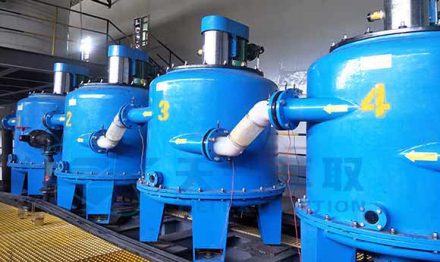
During industrial processes such as petrochemical production and oil/fat hydrogenation, hydrogenation catalysts gradually lose their activity after prolonged use and become spent catalysts. The nickel content in these spent catalysts can typically reach 6% to 20%, which is significantly higher…
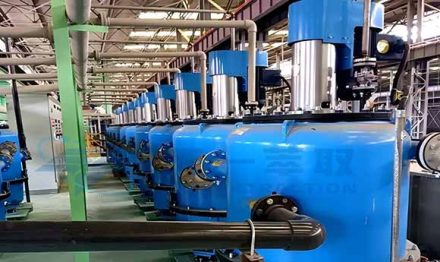
In the fields of fine chemicals, pharmaceutical intermediates, pesticide raw materials, and oil-based material purification, water washing, alkali washing, and acid washing are critical processes that directly determine product purity and yield. For many years, traditional reactor static settling processes…
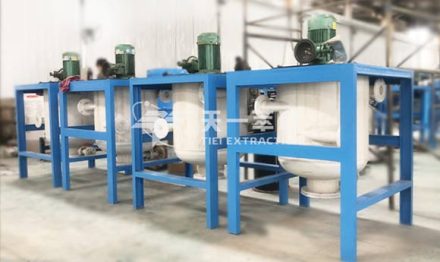
In the production fields of fine chemicals, pharmaceuticals, coatings, and new energy materials, glycol ether organic solvents (such as ethylene glycol ethers, propylene glycol ethers, isopropyl ether, and isopropanol) are widely used. However, these production processes generate large amounts of…


Leave your questions and we will get in touch with you as soon as possible