
- About Us
- Equipment
- Solution
- Cases
- News
- Service
- Contact us
Insight into the current events of the day and collect industry hotspots
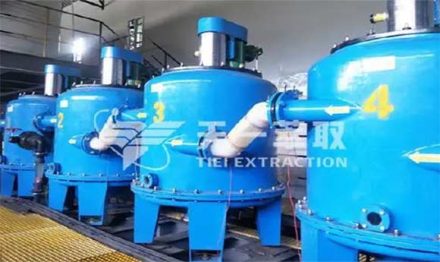
In industries such as fine chemicals, pharmaceutical intermediates and polyurethane raw materials (TDI/MDI), nitration processes have always been “high-pressure zones” in terms of safety and efficiency, and are strictly regulated due to inherent risks. Traditional separation processes for nitration reaction…
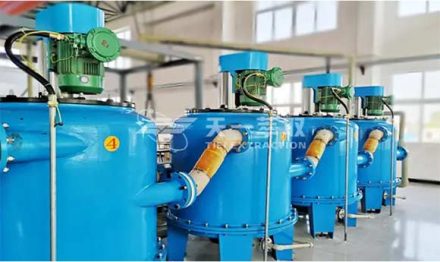
The global push for “plastic bans” is propelling biodegradable materials to the center stage of history. Large-scale production of materials such as PLA (polylactic acid), PBS (polybutylene succinate), and PBAT (polybutylene adipate terephthalate) has now become an industrial reality. The…
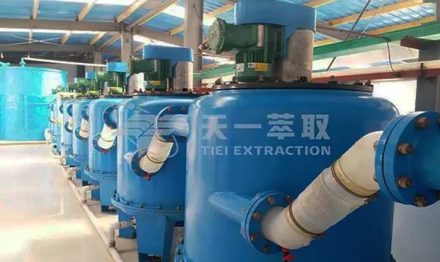
With the rapid development of modern industries, sectors such as textiles, dyeing, steel smelting, and non-ferrous metal processing generate large volumes of manganese-containing wastewater during production. Manganese, as a typical heavy metal pollutant, can cause serious environmental and health issues…
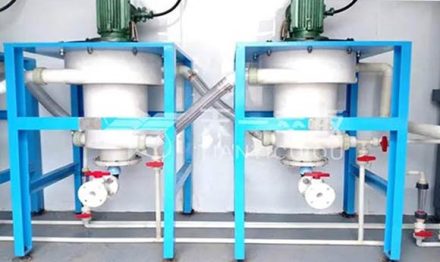
In the manufacturing process of active pharmaceutical ingredients (APIs), the extraction and separation of reaction mixtures is a critical step that determines product purity, yield, and production cost. Traditional batch extraction processes typically use reactors or mixer settlers, which face…
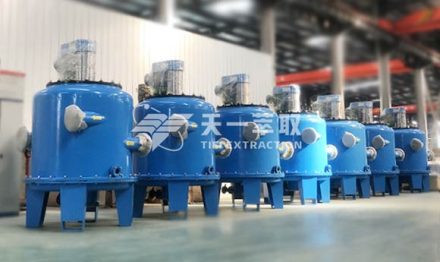
In the family of precious metals, platinum (Pt) and palladium (Pd) are like “twin brothers.” Both belong to the platinum group metals (PGMs), exhibit a similar silvery-white luster, and are commonly used in jewelry as well as high-end industrial applications.…
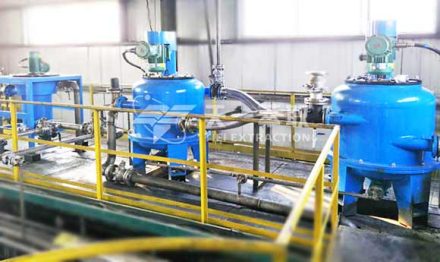
In industrial production, the treatment of waste acid has long been a critical challenge for both environmental protection and cost control. Whether in chemical processes such as nitration and sulfonation, or in industries like steel, titanium dioxide manufacturing, and metal…


Leave your questions and we will get in touch with you as soon as possible